What Is ERP Integration and Why Your Business Can't Afford to Ignore It in 2026
Your Business Tools Are Working Alone - And It Is Costing You
Think about all the tools your business uses every day. You have one app for sales. Another one for your stock and inventory. A separate one for your accounts and payments. And maybe one more for handling customer support. Each tool works on its own. They hold their own data and do not share it. Your sales team does not know what is left in the warehouse. Your finance team has to wait for someone to send them a report. Your managers ask for updates and wait days instead of seconds. This is not just a small problem. It slows your whole business down every single day. And the longer it continues, the more it costs you.
This is exactly where ERP integration changes everything. It connects all your tools so they work as one system. Data moves between them on its own. No one has to copy numbers from one screen to another. No one has to send emails asking for updates. Every team sees the same accurate information at the same time. In 2026, more businesses are choosing to connect their systems. Those who act now will move faster than those who wait.
What ERP Integration Actually Means
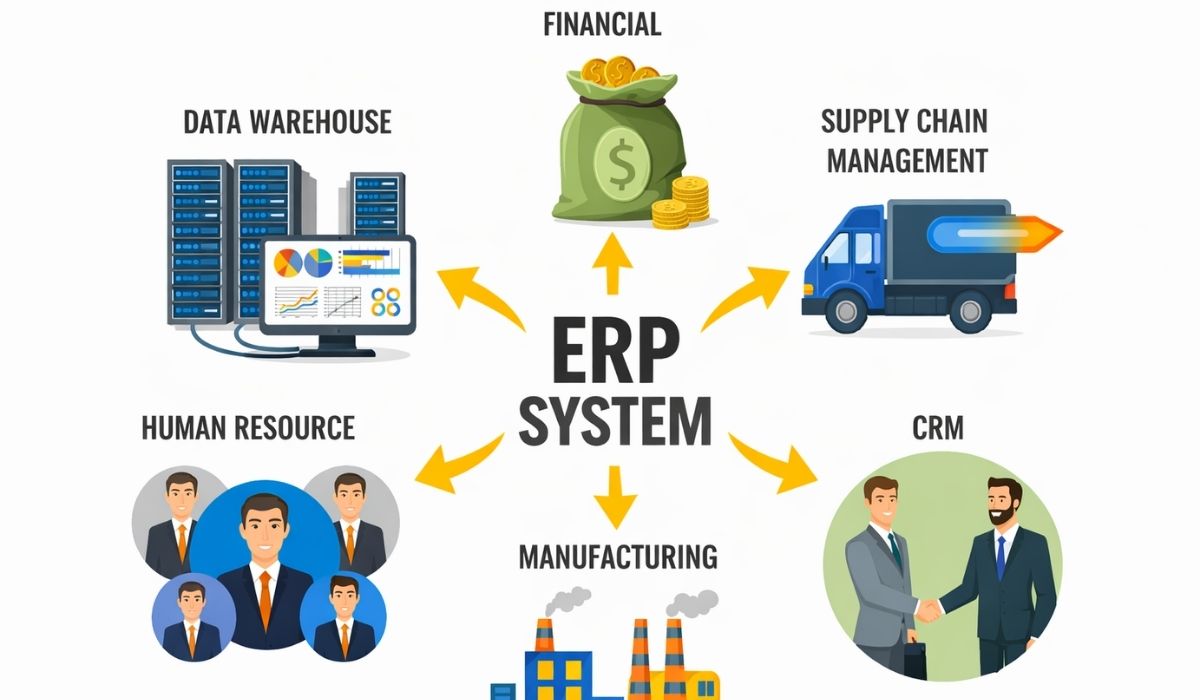
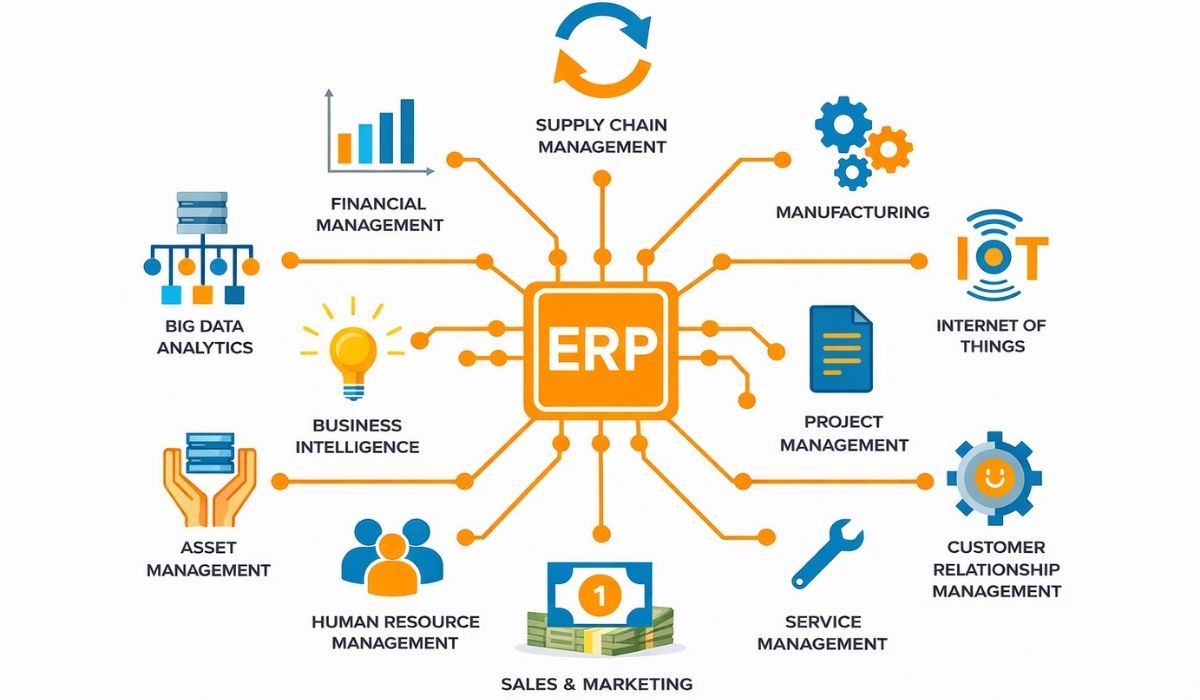
ERP stands for Enterprise Resource Planning. An ERP system manages your core business operations. This includes things like finance, sales, inventory, HR, and purchasing. ERP integration means linking this system with other tools your business uses. For example, connecting your ERP to your CRM or your e-commerce store. Once connected, these tools share data without anyone doing it by hand. A sale made in your store shows up in your ERP right away. A change in inventory updates your sales platform on its own. This is how modern businesses stay one step ahead.
How ERP Integration Is Set Up
The process of setting up ERP integration follows clear steps. Here is what it looks like:
- Map Your Current System: First, you list every tool your business uses. You find out what data each one holds. You also check what data needs to move between them.
- Choose the Right Integration Method: There are a few ways to connect systems. Some use APIs, which are digital bridges between apps. Others use middleware that passes data in the middle. A custom ERP integration team picks the best method for your setup.
- Build and Test the Connection: The tech team builds the links between your tools. They test every flow to make sure data moves without errors. Nothing goes live until it has been checked.
- Launch and Keep Watch: Once tested, everything goes live. The team watches closely in the first weeks. They fix any issues before they become big problems.
How to Integrate ERP with CRM the Right Way
A very common question is how to integrate ERP with CRM. Your CRM stores customer details, leads, and sales data. Your ERP holds orders, stock levels, and financial records. When these two talk to each other, your whole team wins.
- Sales Teams See Real Stock Levels: Sales reps know what is available before they make a promise. They do not have to call the warehouse or wait for emails. This speeds up deal closing and reduces order errors.
- Finance Gets Accurate Numbers Without Waiting: When a sale is recorded in the CRM, the ERP updates at the same time. No manual entry is needed. Finance always has the right numbers without chasing anyone.
- Support Teams See Full Customer Histories: A support agent can see all past orders, payments, and issues in one place. They help customers faster. And customers feel heard and taken care of.
What Changes after Your Systems Are Connected
The benefits of ERP integration show up fast. Here is what most businesses report after going live:
- Far Less Manual Work: Data moves on its own between systems. Your team stops entering the same info in two or three places. They get that time back and use it on things that matter.
- Fewer Mistakes in Data: Human data entry always brings errors. When systems are linked, a machine copies the data, not a person. This cuts down mistakes by a large amount.
- Reports That Are Ready Fast: All your data is in one place. Reports take minutes to pull, not hours. Managers see the full picture without calling different teams.
- Growth That Does Not Need Extra Headcount: As your business grows, the system handles more load on its own. Automation takes on tasks that used to need extra staff. You grow your output without growing your payroll at the same rate.
Why Generic ERP Tools Often Fall Short
Many businesses try a standard ERP tool from a big vendor. It works at first. But over time, they hit walls. The tool does not fit their process. They end up changing how they work to match the tool. That is backwards. Your software should fit your business. Not the other way around. This is why custom ERP integration makes more sense for most businesses. A custom build is made around your workflow. It has only what you need. No features you will never use. No gaps that cause daily headaches. It fits from day one.
Signs Your Business Needs This Now
Not sure if this is the right time? Check for these signs:
- Someone on your team copies data between apps by hand: This is a clear sign your tools are not connected. Every manual copy is a chance for an error to slip in.
- Different departments work with different versions of data: If sales sees one number and finance sees another, your systems are out of sync. Integration puts everyone on the same page.
- Reports take too long to pull together: If your team spends hours building a weekly report, something needs to change. Connected systems pull reports in minutes.
- Your business is growing but your systems are not keeping up: Growth should not slow you down. If your old tools cannot handle more volume, it is time for an upgrade.
Build a Smarter Business With the Right Integration Partner
Your business deserves tools that work together. Disconnected systems cost you time, money, and good data every day. ERP integration is not a luxury in 2026. It is what keeps businesses running well.
The Farber Consulting Group Inc. has spent over 30 years building custom ERP integration solutions for businesses in New Jersey, New York, and beyond. They do not sell a one-size-fits-all product. They meet your team, learn your workflow, and build something that fits you. From moving old MS Access databases to the cloud, to connecting your ERP with your CRM and warehouse tools - they handle it all.
Their ERP solutions also come with AI-powered features. These help your team find answers faster and make better choices with less effort. Whether you need inventory tracking, automated reporting, or a full ERP and CRM build, The Farber Consulting Group Inc. delivers.
Your first consultation is free. Call us at 732-536-4765. Start building a connected, faster business today.
Comments